
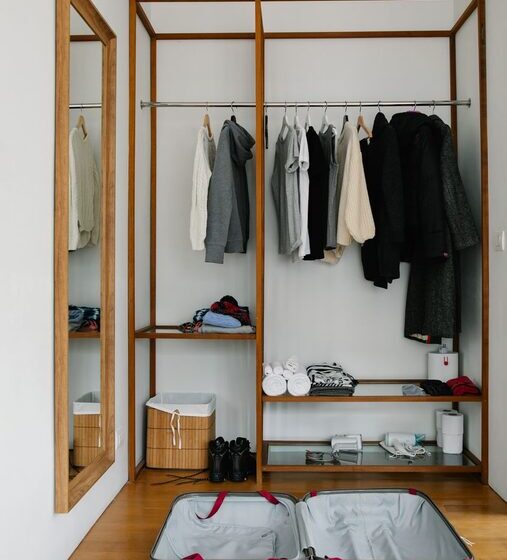

Storing seasonal clothes efficiently is key to keeping your wardrobe organized and your items in great condition. Whether you’re switching between summer and winter garments or simply want to declutter your closet, a little planning goes a long way. In this guide, we’ll explore practical tips and smart storage solutions to help you maximize space and protect your clothes throughout the year.
Why Proper Seasonal Storage Matters
Storing clothes properly during off-seasons prevents damage like fading, wrinkling, and pest infestations. It also frees up closet space, making your daily dressing routine easier and more enjoyable. When you know where everything is and your clothes remain fresh, you can avoid unnecessary shopping and make the most of your existing wardrobe.
Preparing Clothes for Storage
Before packing away your seasonal clothes, preparation is essential. Here’s how to get started:
1. Clean Everything Thoroughly
Wash or dry clean all items. Dirt, sweat, and stains can attract pests and become harder to remove over time. Clean clothes also reduce the risk of lingering odors.
2. Repair and Mend
Fix any minor damages such as missing buttons, loose threads, or small tears. This helps keep clothes in wearable condition and saves you time when you need them again.
3. Dry Completely
Make sure clothes are completely dry before storing. Moisture can lead to mildew and mold, which can ruin fabric and create unpleasant smells.
Choosing the Right Storage Containers
The container you choose plays a big role in the longevity of your clothes.
Clear Plastic Bins
These bins protect garments from dust, moisture, and pests while letting you see what’s inside. Opt for ones with airtight lids to keep air and insects out.
Fabric Storage Bags
Breathable bags allow airflow, which is great for natural fibers like wool that need moisture control. However, these bags offer less protection from pests.
Vacuum-Sealed Bags
Vacuum bags save space by compressing clothes but are best used for sturdy fabrics. Avoid using them for delicate items as compression can damage fibers.
Boxes
Cardboard boxes are affordable and lightweight but tend to attract pests and absorb moisture. If you use boxes, line them with acid-free tissue paper and avoid storing in damp areas.
Organizing Your Seasonal Clothes
Keeping items categorized and easily accessible makes seasonal transitions smoother.
1. Sort by Type and Use
Separate clothes into categories such as sweaters, coats, pants, and accessories. This speeds up unpacking and keeps similar items together.
2. Label Everything
Use labels or photos on bins and bags to identify the contents. This saves time when you’re looking for specific pieces.
3. Store Accessories Separately
Keep scarves, hats, gloves, and other accessories in smaller boxes or clear pouches to prevent them from getting lost or damaged.
Optimal Storage Locations
Where you store your seasonal clothes matters just as much as how you store them.
Avoid Basements and Attics
These areas often have fluctuating temperatures and high humidity, which can harm clothes. Choose cool, dry, and dark spaces instead.
Use Closet Shelves or Underbed Storage
Closet shelves are convenient and allow clothing to remain out of direct sunlight. Underbed storage containers are great for maximizing space in smaller homes.
Consider Cedar or Lavender Products
Natural repellents like cedar blocks or lavender sachets help keep moths and insects away without harsh chemicals.
Tips for Maintaining Clothes in Storage
Air Out Clothes Periodically
If possible, take clothes out occasionally to air them and check for any signs of damage.
Avoid Overpacking Containers
Packing containers too tightly can cause wrinkles and fabric stress. Leave some space for air circulation.
Fold Clothes Properly
Use gentle folds to minimize creasing. For heavier items like sweaters, folding flat helps prevent stretching.
Switching Your Wardrobe Seamlessly
When the season changes, try these steps to make the swap effortless:
– Clear a clean area to unpack and sort your clothes.
– Inspect stored items for any issues before putting them back in your closet.
– Refresh your closet space by cleaning shelves and wiping down hangers.
– Donate or recycle items you no longer want to keep your wardrobe manageable.
Final Thoughts
Efficient seasonal clothes storage is a simple but powerful way to extend the life of your wardrobe and keep your living space organized. By following these practical tips—from preparation and container choice to organization and maintenance—you’ll enjoy smoother transitions between seasons and clothes that feel fresh and ready to wear whenever you need them.
Remember, thoughtful storage is an investment in your wardrobe’s longevity and your day-to-day convenience!