
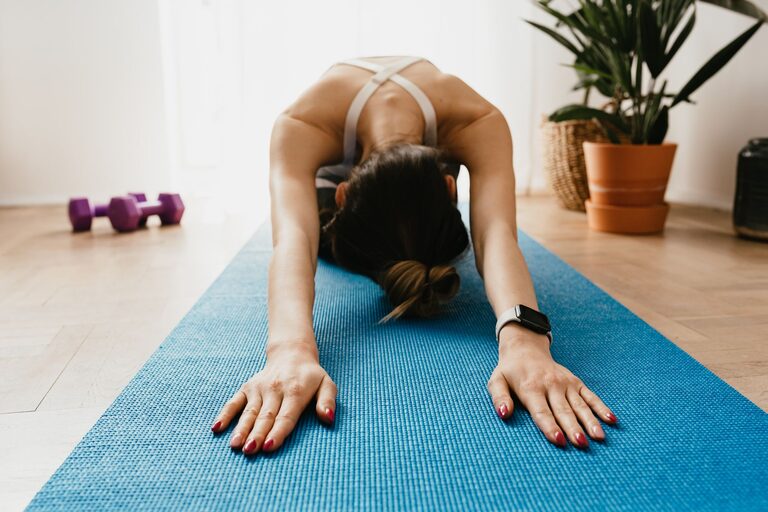

Stretching is a simple yet powerful practice that can enhance your flexibility, improve posture, and reduce muscle tension. Whether you’re looking to start a new fitness journey or simply want to feel more limber throughout the day, stretching at home offers many benefits with little to no equipment needed. This beginner’s guide will walk you through the basics of stretching, step-by-step routines, and tips to help you build a safe and effective habit.
Why Stretching Matters
Stretching helps lengthen muscles, increase your range of motion, and improve blood flow. These effects can contribute to:
– Reduced muscle stiffness and soreness
– Better posture and alignment
– Lower risk of injury
– Improved athletic performance
– Relaxation and stress relief
By incorporating regular stretching into your day, you can feel more comfortable moving and enjoy greater ease in everyday activities.
Types of Stretching
Understanding the different types of stretching is important before you begin:
1. Static Stretching
This involves holding a stretch in one position for 15 to 60 seconds. It’s best done after exercise or as a standalone routine to increase flexibility.
2. Dynamic Stretching
Dynamic stretches involve gentle, controlled movements through your range of motion, such as arm circles or leg swings. These are great as a warm-up before a workout.
3. PNF Stretching
Proprioceptive Neuromuscular Facilitation (PNF) uses a combination of contracting and relaxing muscles to deepen a stretch. It’s more advanced and usually requires a partner or guidance.
For beginners, starting with static and dynamic stretching is often safest and most effective.
How to Prepare for Stretching at Home
Before you begin your stretching routine, keep these tips in mind:
– Choose a quiet, comfortable area with enough space.
– Wear loose, comfortable clothing.
– If possible, use a yoga mat or soft surface.
– Warm up your muscles with 5 minutes of light movement like walking in place.
– Breathe deeply and avoid holding your breath.
Beginner-Friendly Stretching Routine
Here’s a sample routine you can follow 3 to 4 times a week to improve flexibility:
Neck Stretch
– Sit or stand upright.
– Slowly tilt your head toward your right shoulder until you feel a gentle stretch.
– Hold for 20 seconds, then switch to the left side.
– Repeat twice on each side.
Shoulder Stretch
– Bring your right arm across your chest.
– Use your left hand to gently press your right arm closer to your chest.
– Hold for 20 seconds, then switch arms.
– Repeat twice each side.
Chest Opener
– Clasp your hands behind your back.
– Straighten your arms and gently lift your chest.
– Hold the stretch for 20-30 seconds.
– Repeat twice.
Seated Hamstring Stretch
– Sit on the floor with your legs extended straight.
– Reach forward toward your toes, keeping your back straight.
– Hold the position for 30 seconds without bouncing.
– Repeat twice.
Quadriceps Stretch
– Stand and hold onto a chair for balance.
– Bend your right knee, bringing your heel toward your buttocks.
– Grab your ankle with your right hand.
– Hold for 20 seconds, then switch legs.
– Repeat twice.
Cat-Cow Stretch (for the back)
– Start on your hands and knees.
– Arch your back upward (Cat), tucking your chin to your chest.
– Then lower your belly and lift your head and tailbone (Cow).
– Move through these positions slowly 8-10 times.
Stretching Safety Tips
– Never stretch to the point of pain; mild tension is normal.
– Move slowly into each stretch—avoid bouncing.
– Keep your muscles warm before stretching.
– Listen to your body and avoid stretches that cause discomfort.
– Consult a fitness professional if you have injuries or medical conditions.
Creating a Lasting Stretching Habit
Consistency is key to gaining the benefits of stretching. Here are a few suggestions to help you stay on track:
– Set a specific time each day for stretching, such as after waking up or before bed.
– Combine stretching with other activities you enjoy.
– Track your progress by noting how each stretch feels and any improvements.
– Use smartphone reminders or apps to establish routine.
Additional Resources
If you want to explore more stretching techniques or guided sessions, consider checking out:
– Yoga and Pilates classes (online or in-person)
– Fitness apps with beginner-friendly stretch routines
– Videos from certified trainers on YouTube
Final Thoughts
Stretching at home is an accessible way to improve your flexibility and well-being. With simple movements and a commitment to practice, you can reduce muscle tightness, improve posture, and feel more relaxed throughout your day. Start slow, be patient, and enjoy the journey toward greater mobility and comfort.