
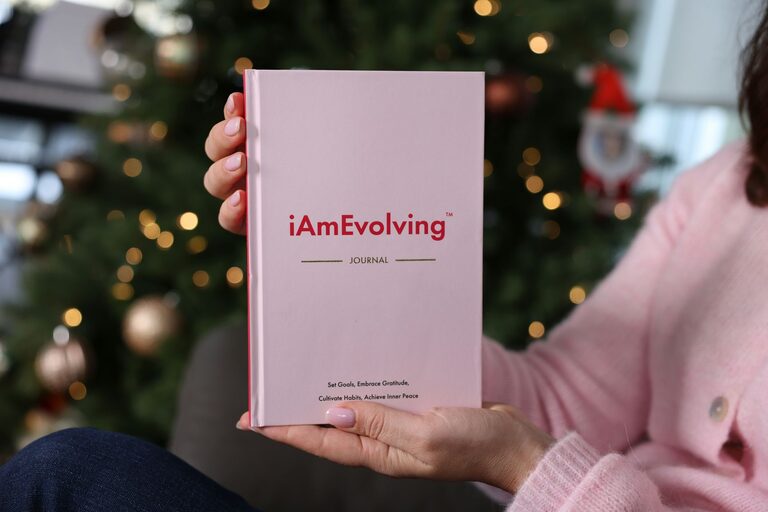

Keeping a gratitude journal is a simple yet powerful way to foster positivity and appreciation in your daily life. If you’re new to this practice, starting a gratitude journal might seem a bit overwhelming, but it doesn’t have to be. By writing down things you’re thankful for, you can improve your mood, reduce stress, and gain perspective on what truly matters. This guide will walk you through everything you need to know to begin your own gratitude journal and make it a meaningful habit.
Why Start a Gratitude Journal?
Gratitude journaling is more than just listing good things; it’s a mindful practice that helps you focus on the positive aspects of your life. Research shows that regularly acknowledging gratitude can:
– Increase feelings of happiness and life satisfaction
– Reduce anxiety and stress
– Improve sleep quality
– Strengthen relationships
– Encourage optimism
By starting a gratitude journal, you create a personal space to reflect on moments and experiences that uplift you, and this reflection can change your outlook over time.
Choosing Your Journal
Before you begin, decide what kind of journal you want to use. Here are some options:
– Physical notebook: Many prefer a traditional notebook or diary. Choose one that feels inviting and comfortable to write in.
– Digital journal: Apps and note-taking software can be convenient for those who like typing or want to add photos and voice recordings.
– Combination: Some people enjoy keeping both a physical and digital journal for different purposes.
Pick whatever suits your lifestyle and preferences. The key is to choose a format you will stick with.
Setting Up Your Gratitude Journal Routine
Creating a consistent habit is crucial. Here’s how you can set up your routine:
1. Pick a Time
Decide whether you want to write in your journal in the morning, evening, or both. Many find that journaling before bed helps them end the day on a positive note.
2. Start Small
You don’t need to write pages every day. Start with 3-5 things you’re grateful for. This manageable number helps maintain momentum.
3. Keep It Simple
Your entries don’t have to be elaborate. Short, straightforward notes like “grateful for a sunny walk” or “thankful for a funny conversation” work perfectly.
What to Write in Your Gratitude Journal
Wondering what qualifies as gratitude worthy? Here are some ideas:
– People: Friends, family, coworkers, or even a kind stranger
– Experiences: A beautiful sunset, a favorite meal, a relaxing bath
– Personal qualities: Strength, patience, creativity
– Small joys: A good book, a warm cup of tea, a comfortable home
– Achievements: Completed tasks, personal progress, overcoming challenges
The goal is to focus on things that brought you some joy or comfort, no matter how big or small.
Tips for Maintaining Your Gratitude Journal
Keeping up with journaling can be easier with these helpful strategies:
– Be honest: Write what genuinely resonates with you instead of what you think “should” be on the list.
– Mix it up: Sometimes write full sentences, other times just a word or phrase.
– Include details: Describe why something made you grateful to deepen your appreciation.
– Use prompts: When stuck, try prompts like “What made me smile today?” or “Who inspired me this week?”
– Review regularly: Revisit past entries to remind yourself of all the good in your life.
Overcoming Common Challenges
Even with the best intentions, you might face some hurdles:
– Forgetting to write: Set reminders on your phone or place your journal somewhere visible.
– Feeling uninspired: Try gratitude walks or conversations to generate ideas.
– Doubting the process: Remember it’s a personal journey and progress can be gradual.
Consistency is more important than perfection.
Additional Ways to Practice Gratitude
Beyond writing, gratitude can be expressed in many ways:
– Gratitude letters: Write letters to people who have made a difference in your life.
– Mindful moments: Pause during the day to silently acknowledge things you appreciate.
– Sharing gratitude: Tell others directly what you value about them.
Combining these with journaling can deepen your gratitude practice.
Final Thoughts
Starting a gratitude journal is a rewarding activity that encourages self-awareness and happiness. By taking just a few minutes each day to focus on what you’re thankful for, you create a foundation for a more positive and fulfilling outlook. Remember to keep your approach simple, authentic, and enjoyable. Your gratitude journal is your personal space to celebrate life’s blessings, big and small.
So grab your notebook or open your favorite app, and begin your gratitude journey today!