
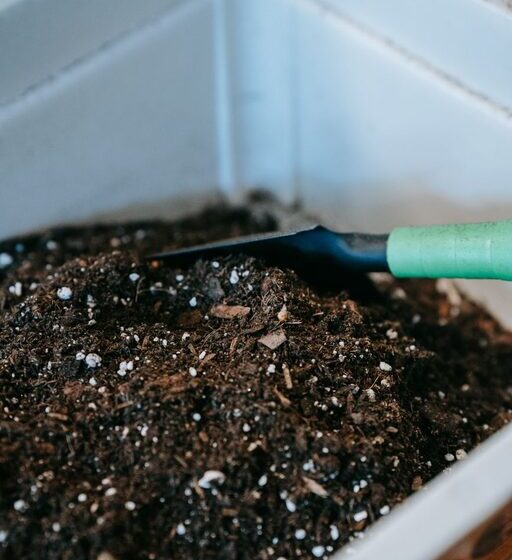

Composting at home is a fantastic way to reduce waste, enrich your garden soil, and contribute to a healthier environment. If you’re new to composting, it might seem a bit overwhelming at first, but with a few simple tips, you can start turning everyday scraps into valuable compost in no time. This guide will walk you through the basics to help you begin your composting journey confidently.
What Is Composting?
Composting is the natural process of recycling organic material such as food scraps and yard waste into a rich soil amendment called compost. Compost improves soil structure, provides essential nutrients for plants, and helps retain moisture.
Why Compost at Home?
– Reduces waste: Keeps kitchen and garden scraps out of landfills.
– Enriches soil: Adds nutrients and improves soil texture.
– Saves money: Reduces the need for chemical fertilizers.
– Supports the environment: Helps reduce greenhouse gas emissions from organic waste.
Getting Started: Choose Your Composting Method
There are several ways to compost at home. The method you choose depends on the space available, the time you can dedicate, and your gardening goals.
1. Compost Bin
A compost bin is a container that holds your compost pile neatly. It can be purchased or homemade. It’s ideal for smaller spaces like patios or backyards.
2. Compost Pile or Heap
Simply creating a pile in a corner of your yard is the easiest method. It requires no special equipment and works well if you have ample space.
3. Worm Composting (Vermicomposting)
Using worms to break down organic material in a container, vermicomposting is a great option for indoors or apartments.
Beginner Tips for Successful Composting
1. Balance Greens and Browns
Compost needs a balance of “greens” and “browns” to break down effectively.
– Greens are nitrogen-rich materials like fruit and vegetable scraps, coffee grounds, and fresh grass clippings.
– Browns are carbon-rich materials such as dry leaves, shredded newspaper, cardboard, and straw.
A good rule of thumb is to aim for about 3 parts browns to 1 part greens.
2. Chop or Shred Materials
Smaller pieces break down faster. Chop or shred larger materials like branches or vegetable scraps before adding them to your pile or bin.
3. Keep It Moist
Compost should be as damp as a wrung-out sponge. If it’s too dry, decomposition slows down; if too wet, it can become smelly. Water the pile occasionally or cover it in dry browns if it gets soggy.
4. Aerate Regularly
Turn or mix your compost every few weeks to add oxygen, which speeds up decomposition and prevents odors. Use a garden fork or compost aerator tool.
5. Avoid Adding Certain Items
Some materials don’t compost well and can attract pests or cause odors. Avoid adding:
– Meat, fish, or dairy products
– Oils or greasy foods
– Diseased plants or invasive weeds
– Pet waste
6. Use a Compost Thermometer (Optional)
If you want to monitor the temperature, a compost thermometer can help you keep the pile in the optimal range of 130–160°F, which kills most pathogens and weed seeds.
Common Composting Problems and Solutions
– Smelly compost: Usually too wet or too many greens. Add more browns and turn the pile.
– Slow decomposition: Might be too dry or not enough greens. Add water and fresh greens.
– Pests: Avoid adding meat, and cover food scraps with browns. Use a closed bin if necessary.
– Pile too small: If your compost pile is too small, it might not heat up properly. Try to gather more material or use a bin designed for small composting.
Harvesting Your Compost
After a few months, your compost will turn dark, crumbly, and smell earthy. This means it’s ready to use.
– Sift the compost to remove large chunks.
– Use it as a top dressing around plants, mix it into garden beds, or use it as potting soil.
Additional Tips for Beginners
– Start small: Begin with kitchen scraps and expand as you get comfortable.
– Location: Place your compost bin or pile in a convenient, well-drained spot with some shade.
– Patience: Composting takes time, but the results are worth it.
– Learn as you go: Every compost system is unique—adjust and experiment based on your experience.
Final Thoughts
Composting at home is an easy and rewarding way to be environmentally friendly while improving your garden’s health. With these beginner tips, you can confidently start composting and enjoy the benefits of nutrient-rich soil for your plants. Remember, the key is balance, moisture, and regular turning. Happy composting!